5 Expert Tips for Choosing Blinds: Inside or Outside the Recess
5 Expert Tips for Choosing Blinds: Inside or Outside the Recess
Choosing a new blind involves more than simply selecting a colour or fabric. One of the most common questions homeowners ask is whether their blinds should be fitted inside the recess or outside it.
If you’re not familiar with the terminology, the recess is the space inside your window opening. Blinds can either sit neatly within this space or be fitted outside the recess, covering part of the surrounding wall.
Both options can look fantastic, but the right choice often depends on your window, the room, and the overall look you’re trying to achieve.
Here are five things to consider before deciding whether your blinds should sit inside or outside the recess (we can also help you decide!)
1. Consider the Look You Want to Achieve
The first thing to think about is appearance.
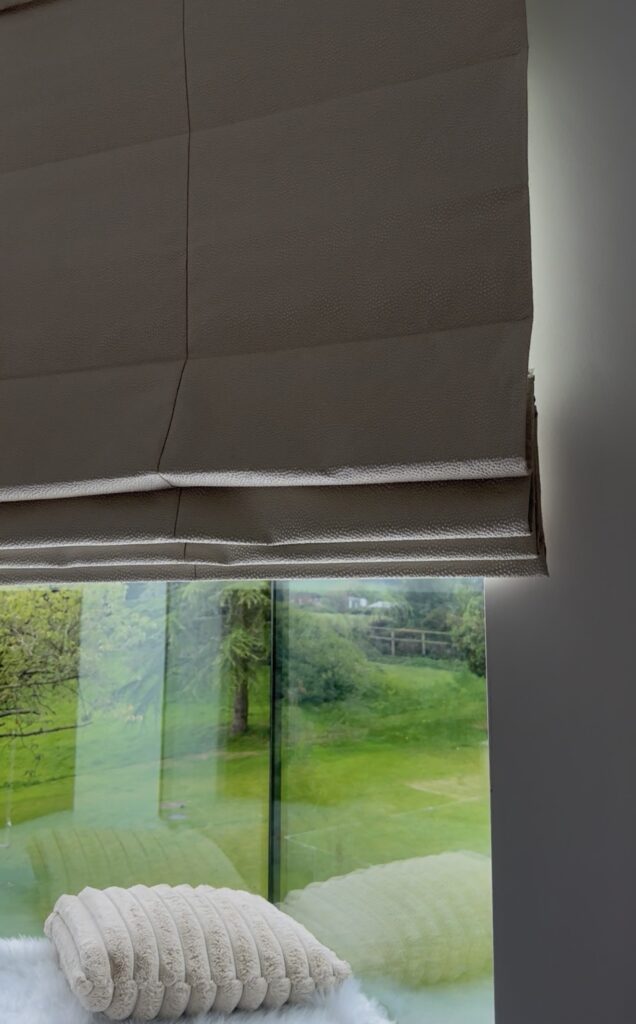
Blinds fitted inside the recess tend to create a neat, streamlined look. They sit within the window frame itself, giving a clean and built in finish that works particularly well in modern homes.
Outside recess blinds make more of a statement. Because they sit beyond the window opening, they can help draw attention to the window and create a more dramatic appearance.
Neither option is right or wrong – it simply depends on the style you’re looking to achieve.
Inside Recess Benefits
Clean and minimalist appearance
Allows window sills to remain accessible
Creates a built-in look
Popular in contemporary interiors
Outside Recess Benefits
Creates a larger visual impact
Can make windows appear bigger
Ideal for decorative fabrics and statement blinds
2. Think About Light Control
Light control is another important consideration.
When blinds are fitted inside a recess, small gaps are often left at the sides to allow the blind to operate smoothly. This means a small amount of light may enter around the edges.
For many rooms, this isn’t a problem at all. However, in bedrooms or media rooms where darkness is important, fitting outside the recess can help minimise these light gaps.
By extending beyond the window opening, the blind can provide greater coverage and improve light control.
This is one reason many homeowners choose outside recess fitting when installing blackout blinds in bedrooms.
3. Check for Window Handles and Other Obstacles
Not every window is suitable for an inside recess fit.
Window handles, vents, deep tiles, or shallow recesses can sometimes restrict how a blind operates. In these situations, fitting outside the recess may provide a better solution.
During a professional survey, these details are carefully assessed to ensure the blind will function correctly without catching on handles or other obstructions.
It’s often the small details that make the biggest difference to the finished result.
4. Think About How You Use the Room
Different rooms often benefit from different approaches.
For example:
Living Rooms
Many homeowners prefer blinds fitted inside the recess for a neat, uncluttered appearance while still allowing plenty of natural light into the room.
Bedrooms
Outside recess fitting can help improve blackout performance and create a darker sleeping environment.
Kitchens
Inside recess blinds are often popular because they keep window sills accessible and maintain a clean look.
Home Offices
Reducing glare can be a priority, so the best solution often depends on the window position and how the space is used throughout the day.
The purpose of the room should always play a role in your decision.
5. Some Windows Require a Completely Different Approach
While standard windows usually allow flexibility between inside and outside recess fitting, unusual window shapes often require bespoke solutions.
Apex windows, bay windows, gable windows, and feature glazing can all present unique challenges that require specialist measuring and installation.
We recently completed a project for Danielle Lloyd, who had two large apex windows in her children’s bedrooms. The steep angles and unusual shape meant a standard blind simply wouldn’t work.
A bespoke solution was designed specifically for the windows, including precision cut-outs to accommodate the skirting boards and create a seamless finish.
Motorised operation was also incorporated, allowing the blinds to be controlled by remote control despite the height and shape of the windows.
The result was a practical solution that improved light control while maintaining the modern aesthetic of the rooms.
Projects like this demonstrate why unusual windows often need a tailored approach rather than a one size fits all solution.
So, Should Blinds Be Fitted Inside or Outside the Recess?
The truth is that there’s no universal answer.
The best option depends on:
The style you’re trying to achieve
The level of light control you need
The type of room
Any obstacles around the window
The shape and size of the window itself
A professional survey can help identify the most suitable option and ensure your blinds not only look great but perform exactly as you need them to.
Final Thoughts
Whether fitted inside or outside the recess, made-to-measure blinds can transform the look and functionality of a room.
By considering both practical requirements and design preferences, you can choose a solution that complements your home and helps you get the very best from your windows.
If you’re unsure which option is right for your space, expert advice can make the decision much easier.

 Inside Recess Benefits

